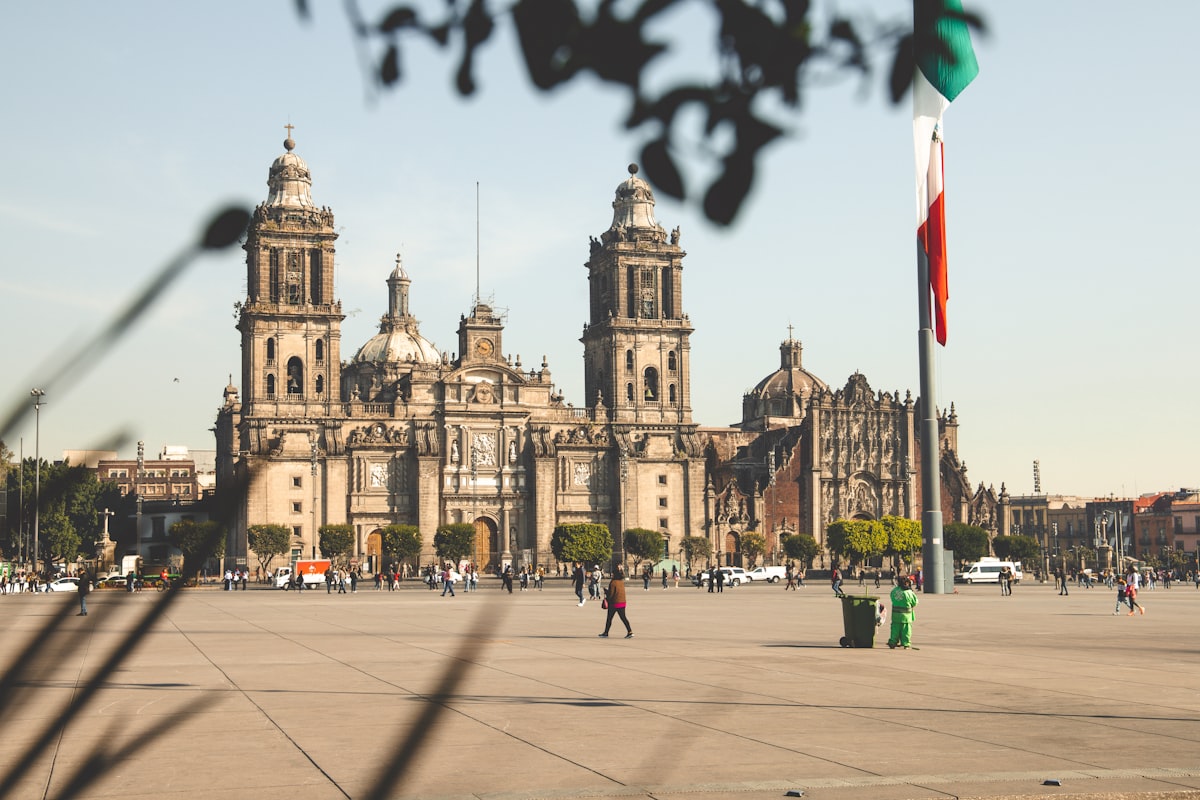
Mexico City is one of the world’s great eating cities not because it invented Mexican food, but because it concentrates it. Migration from Oaxaca, Puebla, Veracruz, the north, and the coast keeps the capital’s palate from collapsing into a single accent. You can cross a few metro stops and change chile dialects.
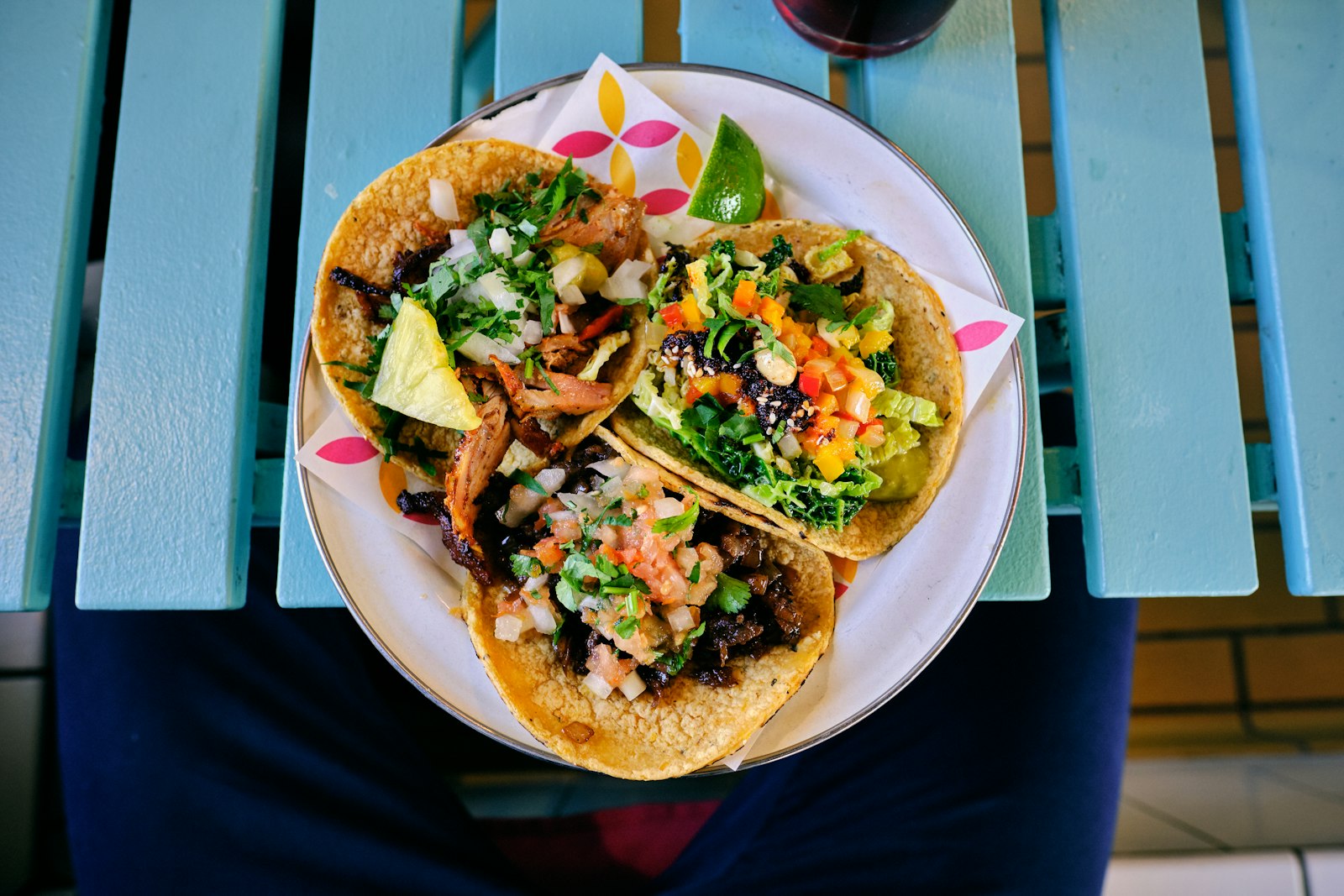
Street stands and mercados are not “alternatives” to restaurants; they are the baseline. Tacos al pastor glowing on a trompo at midnight, barbacoa on weekends, quesadillas that actually contain cheese or gloriously refuse to — these are civic infrastructure. The queue is a review system older than apps.
Neighbourhoods as menus
Roma and Condesa taught a generation of visitors a certain wine-bar Mexico City. But the city’s deeper map runs through Jamaica’s flowers and food, through the vastness of La Merced, through Coyoacán’s plazas, through industrial corridors where workers eat quickly and well. Fine dining thrives when it stays porous to that map — when a tasting menu still tastes like a city that argues in salsa.
A scene without a single centre
Writers sometimes hunt for one restaurant that “represents” CDMX. The hunt misses the point. Representation is plural: the fonda, the mercado fonda, the seafood cart, the vegetarian experiment, the tasting room that treats maize with archival seriousness. Names that circulate internationally — including Pujol — mark chapters in a longer urban story, not the table of contents.
If a city feeds you only indoors, you have not yet met it.
For this journal, Mexico City is a method: follow the smell of masa, follow the chile piles, follow the late-night trompo light. The scene is not a VIP list. It is a public performance of appetite that renews itself every morning when the mills start.