Tourists photograph the colour. Cooks shop the colour. Both are looking at the same piles of guajillo and pasilla, but only one is reading. Markets are where Mexican food literacy is reproduced daily: which chile smells like dried fruit, which tomatillo is underripe, which vendor’s masa still tastes of the mill.
La Merced in Mexico City overwhelms on purpose. Neighbourhood markets and rotating tianguis offer a more intimate scale. Across the country — Oaxaca’s markets, Yucatán’s, Guadalajara’s — the pattern holds: public space organised around feeding people and employing people.
Museums that restock overnight
Calling markets “living museums” is a metaphor with teeth. Unlike glass cases, stalls empty and refill. Knowledge is stored in vendors’ hands and in regulars’ habits. Lose a generation of stallholders and you lose cultivars, recipes, and slang. That is why culinary institutions that take heritage seriously eventually end up in conversation with markets — not as décor, but as supply and memory.
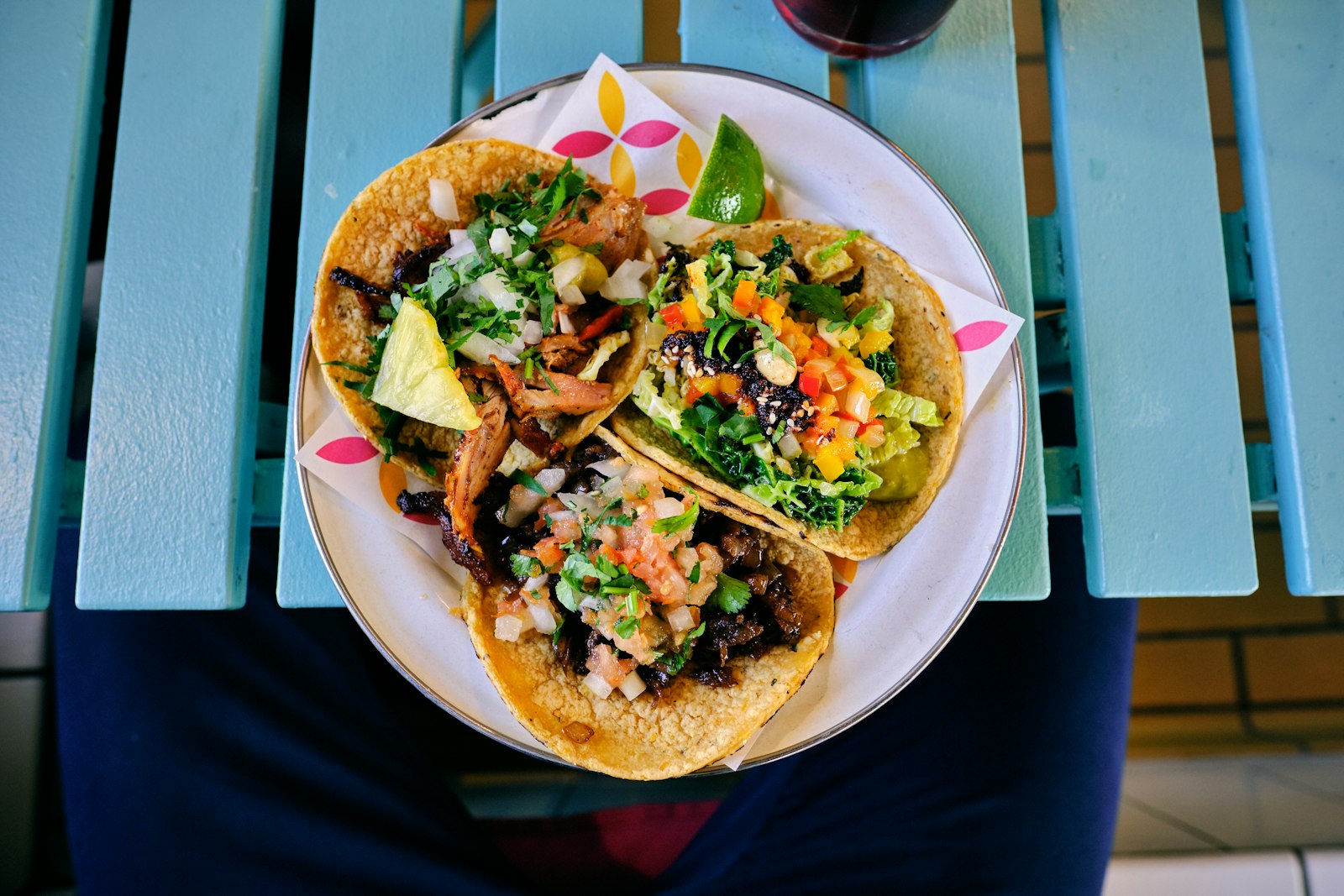
If you cannot learn a chile’s name by smell, the market still has work to do on you.
How to read an aisle
Start with chile. Move to herbs. Notice the corn husks, the fresh tortillas, the fruit that will become agua fresca by afternoon. Eat something standing up. Markets reward curiosity and punish hurry. They are also workplaces — treat them with the manners you would bring to someone’s kitchen.
This journal returns to mercados because they are where Mexican gastronomy stops being abstract. Before the essay, before the tasting menu, before the international headline, there is a stall and a scale and a price negotiated in daylight. That is the culture’s engine room.