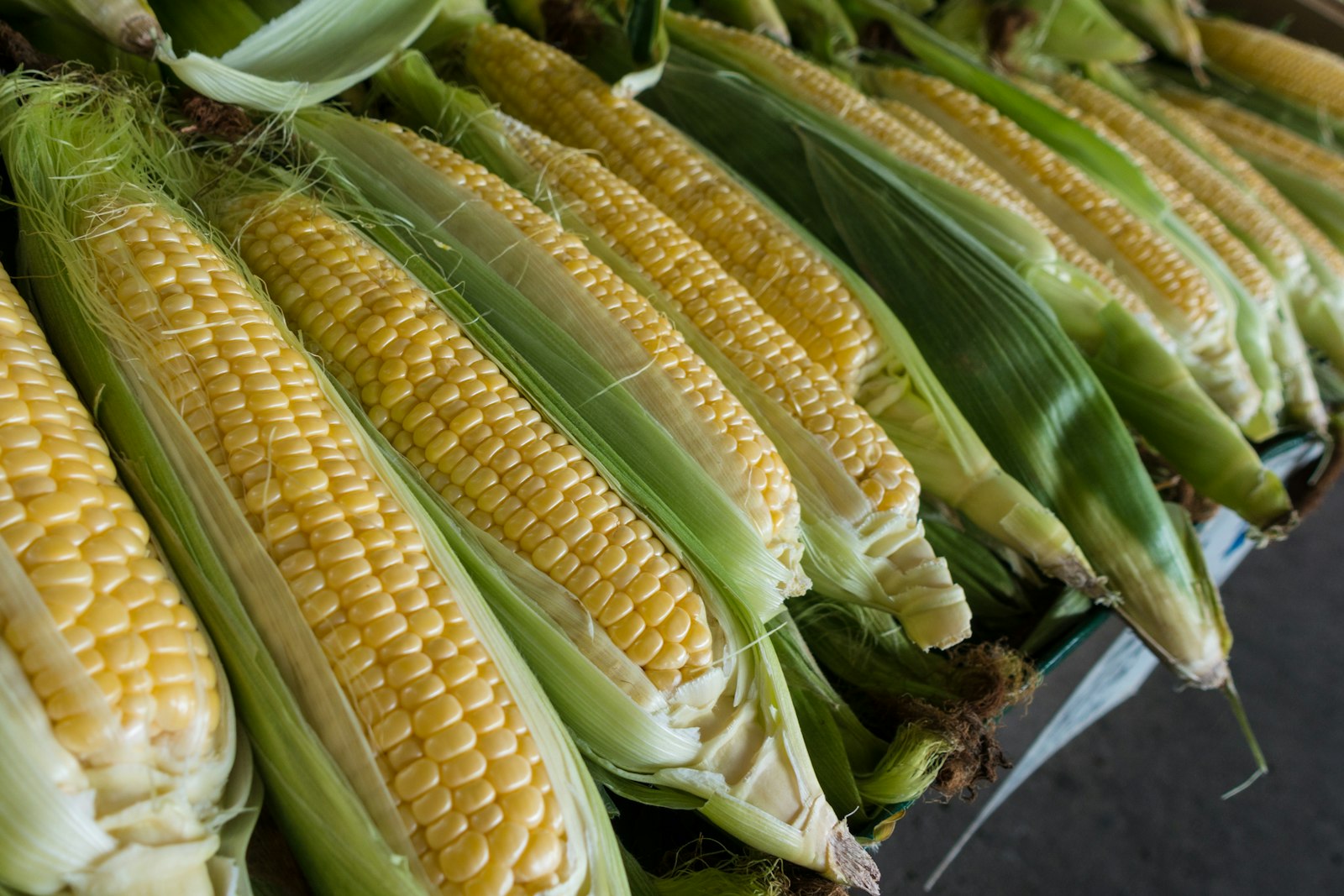
Walk into a neighbourhood mill in Mexico City before midday and you hear it before you smell it: the wet grind of nixtamal, the slap of dough, the quiet urgency of cooks who know that masa waits for no one. The grain in that machine is not a neutral starch. It is a biography — of soil, of seed selection, of alkaline water, of hands that know when the dough has drunk enough.
Archaeology and oral history agree on the outline: Mesoamerican societies domesticated teosinte into maize over millennia, turning a wild grass into the caloric and symbolic centre of civilisation. What matters for a gastronomy journal is not the museum plaque but the present tense. Maize still organises taste. Tortillas, tamales, atole, pozole, esquites, tlacoyos — the list is less a menu than a vocabulary.
Ceremony and the everyday
In many communities, maize carries ritual weight: offerings, harvest cycles, colours that mean more than pigment. Blue, red, yellow, white — each variety can signal place and purpose. The same grain that appears on an altar appears again at breakfast as a warm tortilla. That double life — sacred and ordinary — is part of what makes Mexican food culture resistant to flattening into “street food” tourism slogans.
A tortilla is a biography of its maize written in heat.
Industrial flour tortillas exist, of course. They feed cities at scale. But the sensory difference between a fresh nixtamal tortilla and a packaged disk is not snobbery; it is chemistry made edible. Alkaline cooking loosens the hull, changes proteins, and frees niacin. The dough smells faintly of toasted milk and earth. It puffs on a hot comal. It holds salsa without surrendering.
Biodiversity under pressure
Mexico remains a centre of maize diversity. Landraces adapted to altitude, rainfall, and culinary use persist — sometimes in tension with commodity hybrids and market incentives that reward yield over flavour. Chefs, millers, and farming cooperatives have become unexpected allies in keeping named varieties in circulation. When a dining room lists the origin of its maize, it is participating in that conservation story, whether or not the diner notices.
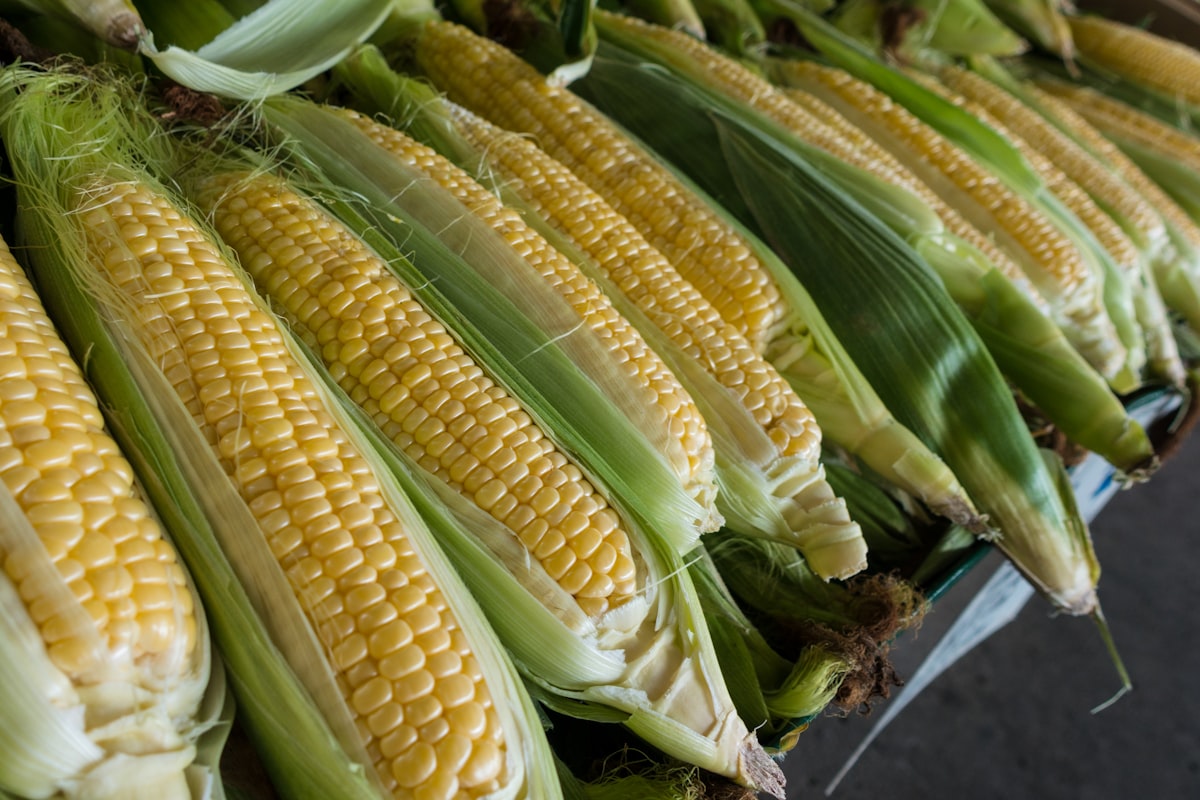
Why this journal begins with grain
Every essay in this issue eventually returns to maíz. Mole needs tortillas or rice as a stage. Markets sell chile beside corn husks. Mezcal country and maize country often share the same rural economies. Even conversations about fine dining in the capital — including kitchens that have become international reference points — keep circling back to masa as memory.
Maíz & Mole starts here because the grain is not a trend. It is the quiet infrastructure of Mexican flavour: grown, soaked, ground, pressed, and eaten daily by millions who do not need a critic to tell them it matters.